
 Nederlands
 English
 Français
Dust classes
How to keep your workplace healthy
Dust particles are harmful to health. It is therefore important to know the dust classes to protect yourself at work.

Choose the right dust class for a healthier working environment
Whether you are doing carpentry installing heating systems or doing other renovation projects you are constantly producing dirt and dust that accumulates in your workplace. The composition of this dust varies as does its harmfulness to humans and the environment. That is why dust classes were created: they help you understand the different types of dust particles and how you can effectively protect yourself against them.
Dust classes indicate the hazardous properties of certain types of dust. This can help you choose the most suitable class.vacuum cleanerfor your workshop.
Dust classes L M and H
There are three different classes of dust: L M and H. This is what distinguishes them:
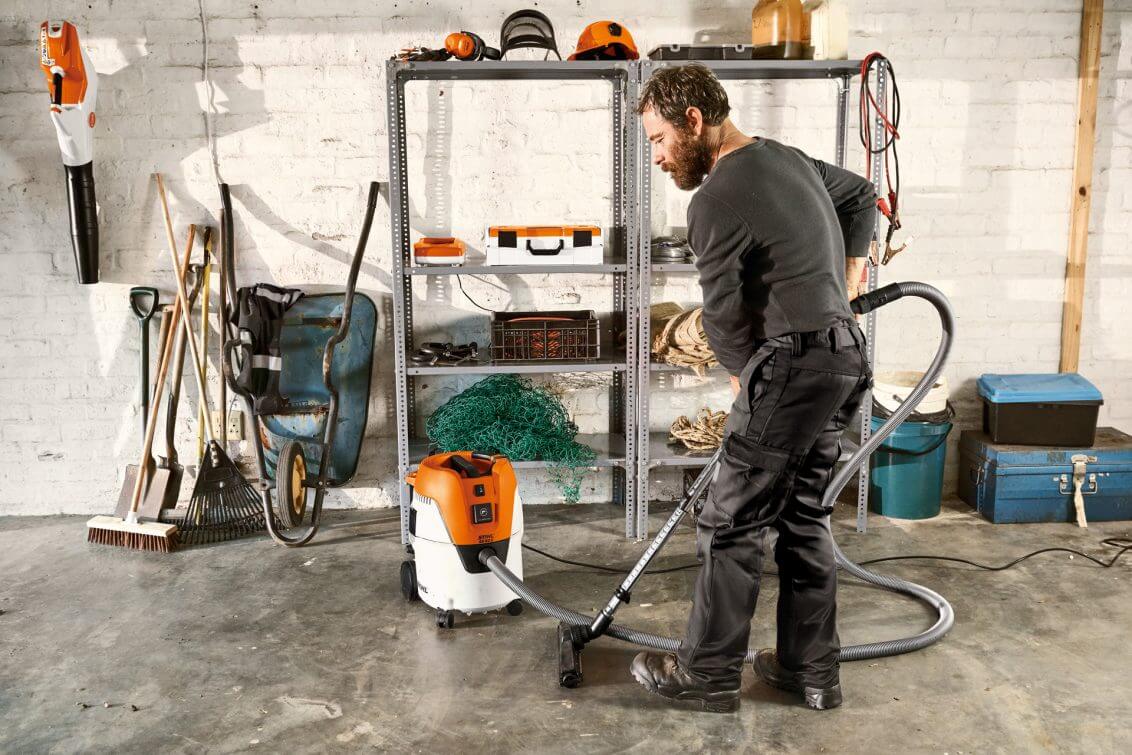
Dust class L: slightly hazardous dust
Dust class L includes house dust and substances such as sand plaster and lime. These substances can be created for example when cleaning a building.
Dust class M: medium hazardous dust
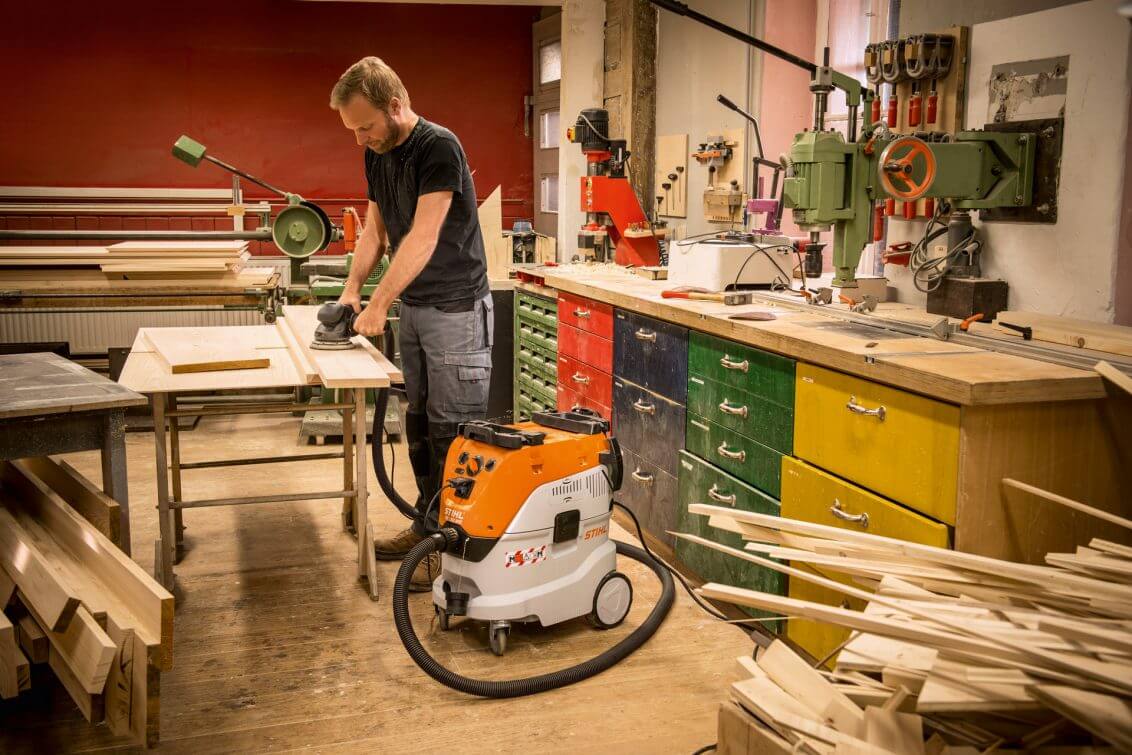
Dust class M is the intermediate category that poses a health risk and includes wood metal and paint dust. These types of dust occur in carpentry painting or metalworking.
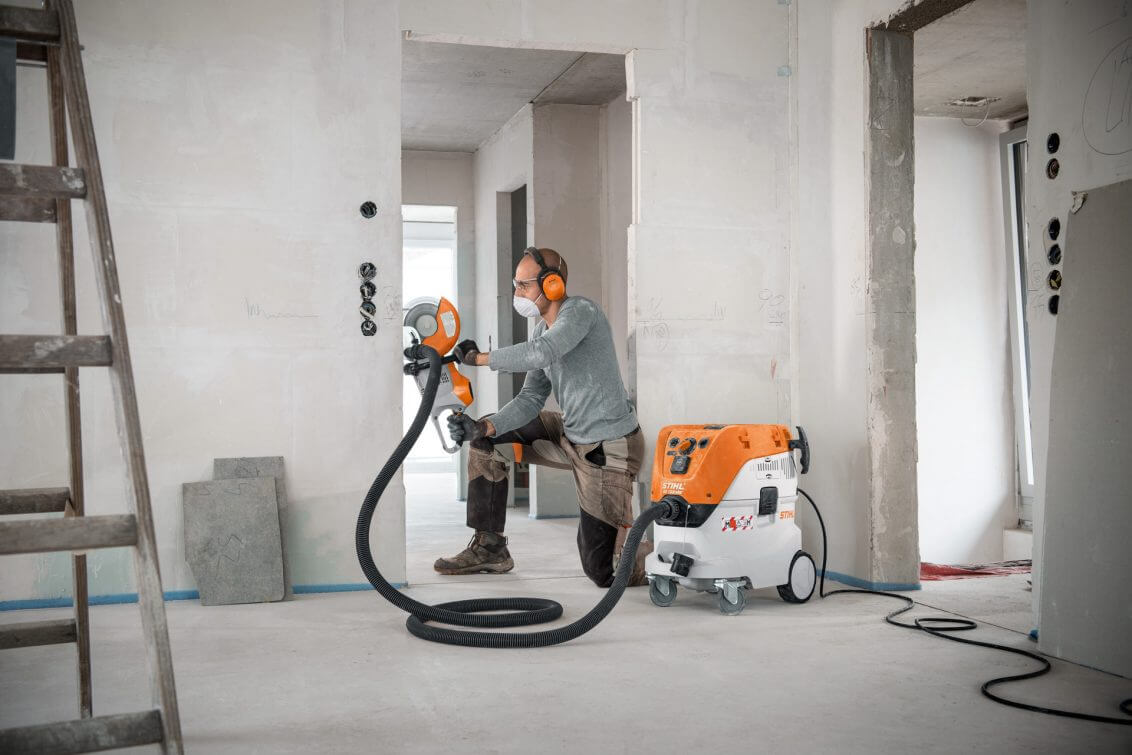
Dust class H: very hazardous dust
Dust class H represents the highest level of risk. This class includes very harmful and carcinogenic substances such as asbestos mould spores lead dust and mineral fibres as well as very small particles such as flour dust and various types of inorganic fibres. This type of dust risk occurs in bakeries during the installation of heating systems or asbestos removal but also when removing nests of oak processionary caterpillars and caterpillars.
What types of dust do you encounter in which workshops?
If you are not sure what type of dust is produced in your work environment the table below provides an initial overview to help you better identify the relevant dust classes. In some situations you will encounter a combination of different dust types. For example a roofer can be exposed to house dust (dust class L) wood dust (dust class M) and asbestos dust (dust class H) on the same working day.
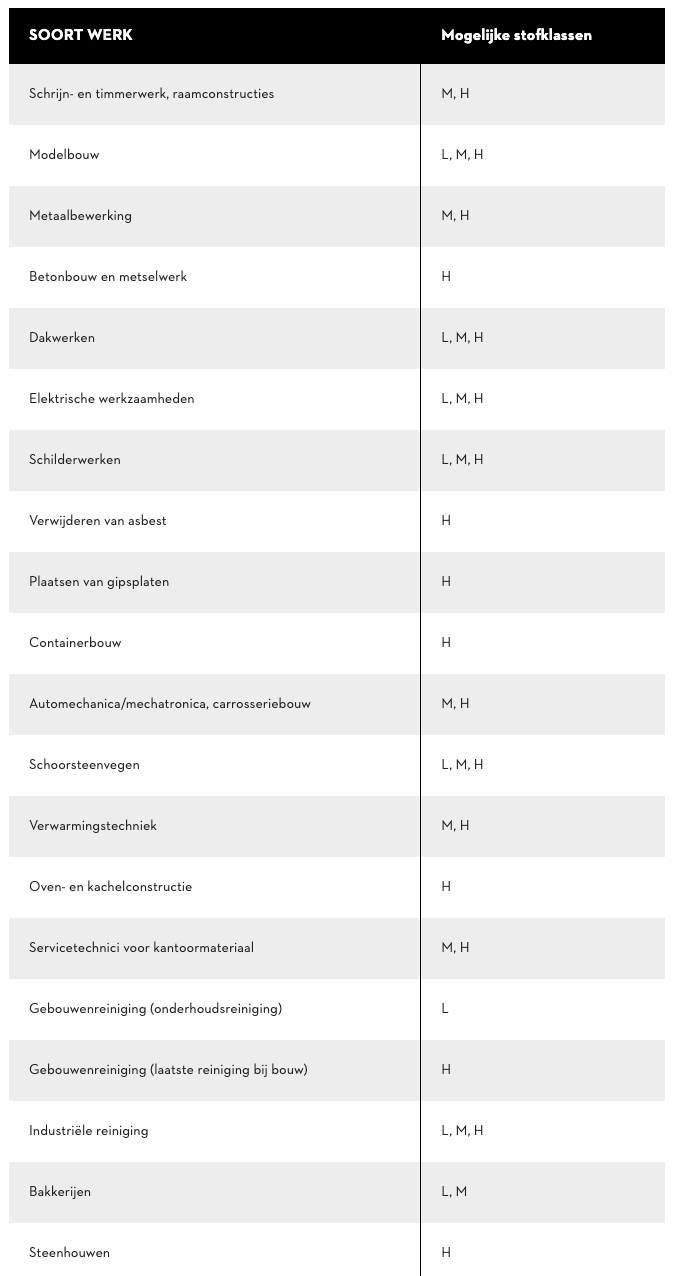
Your health can be affected by the types of dust you regularly come into contact with. Choose a professional vacuum cleaner with a suitable dust filter to minimize risks and protect the environment.
Industrial vacuum cleaners and dust extractors
The choice of vacuum cleaner depends on the type of dust. There are two types of vacuum cleaners: industrial vacuum cleaners and dry vacuum cleaners.
Industrial vacuum cleaners
For dust class L you can choose from industrial vacuum cleanersSTIHL SE 62 SUN 62ND ZO 122OrSUN 122E.They are ideal for use with the least hazardous dust class.
Dust extractors
Vacuum cleaners suck up most dust and dirt from dust classes M and L directly because they are connected directly to the machine that you use as a vacuum cleaner.miter sawVacuum cleaners also provide a visual or audible warning when the user's exposure to dust increases. For dust class M STIHL offersSTIHL SE 133 MECertified multifunctional vacuum cleaner. Suitable for rooms with high dust concentration and equipped with automatic filter cleaning for high long-term suction power. Ideal for applications with dust class M.
Summary: Dust classes
- Dust is classified into three dust classes based on health risks.
- People come into contact with different types of substances in all kinds of professions.
- The best way to protect yourself from harmful dust is to use a good industrial vacuum cleaner or dust extractor.
- STIHL offers a rangeall-purpose vacuum cleanersthat are suitable for different dust classes.